New Free Bible Study: What Does Justice and Righteousness Look Like in Everyday Life?
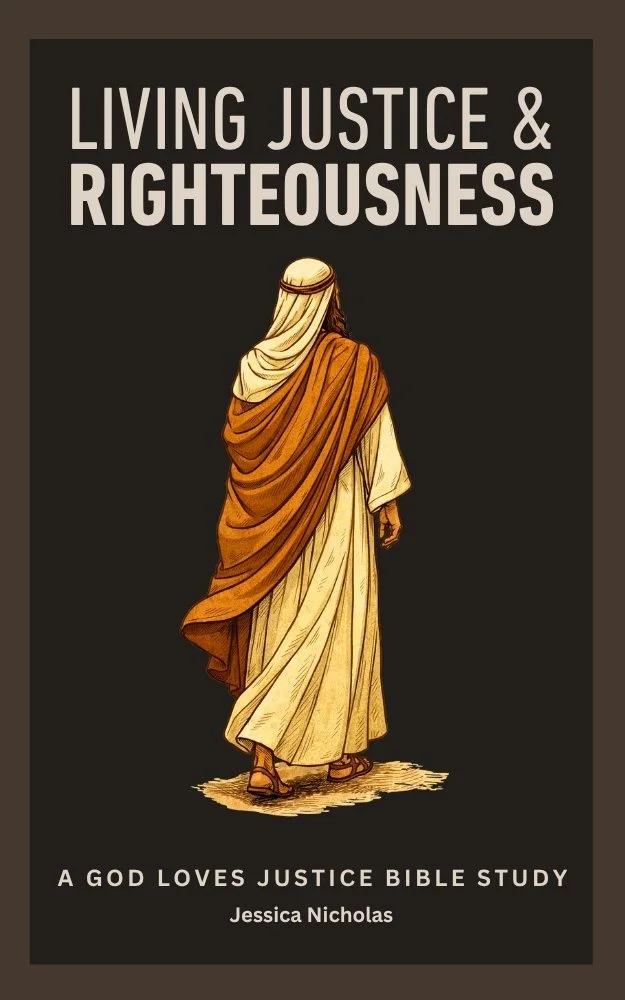
Justice and righteousness are central themes throughout Scripture. Yet for many Christians, these words can still feel frustratingly vague.
What exactly do justice and righteousness look like in practice?
Many of us can recognize injustice when we see it. We may have a general sense that God cares about justice and that He calls His people to live righteously. But translating those broad ideas into everyday decisions and habits can be more difficult.
What does justice look like in a family? In a workplace? In a neighborhood? How should it shape the way we use our resources, treat others, fulfill our responsibilities, and respond to people in need? Those questions led to the creation of a new free Bible study.
The study focuses on Job chapters 29 and 31, where Job reflects on the kind of life he lived before his suffering began. In these chapters, Job provides something that is surprisingly rare in Scripture: a detailed picture of what justice and righteousness looked like in the daily life of a specific person.
Job describes how he treated the vulnerable, how he used his position and influence, how he conducted himself in matters of integrity, and how he understood his responsibilities toward others. Rather than discussing justice and righteousness as abstract concepts, Job presents a practical example of what they looked like in action.
This study walks through those passages carefully and invites readers to reflect on their own lives along the way. The goal is not merely to learn about justice and righteousness, but to consider how they can take shape in real and visible ways today.
The study is designed for both individual and group use, with reflection and discussion questions that encourage thoughtful engagement with Scripture. It is available as a free download and is free to share with friends, family members, churches, Bible studies, and small groups.